Slinguri: Ultimate Guide to Babywearing and Versatile Carriers
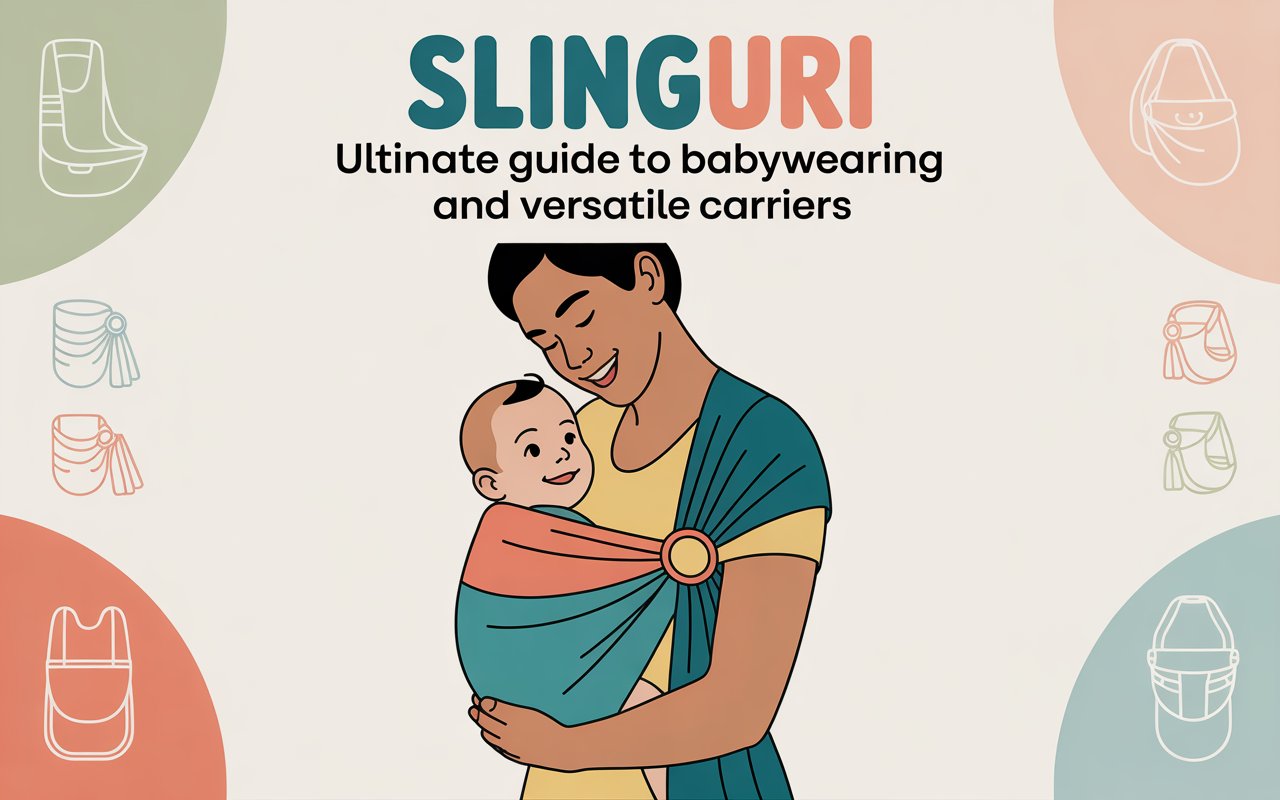
Slinguri are versatile tools that have been used for centuries in multiple spheres of life. Traditionally, they were employed as flexible devices for carrying, lifting, or securing loads. In the context of babywearing, it refers to fabric slings designed to hold infants close to a caregiver’s body. These slings provide safety, comfort, and mobility, allowing parents to nurture their children while keeping their hands free for daily activities.
They are not only vital in personal caregiving but also play a significant role in industrial and professional environments. In construction, shipping, and manufacturing, they help move heavy objects safely and efficiently. In personal settings, they assist caregivers, parents, and even elderly care professionals by providing a secure method of transport or support. The versatility of it makes them indispensable in both professional and domestic scenarios.
Historical Background of Slinguri
Ancient Usage
They have a long and fascinating history, extending far beyond modern caregiving. In ancient civilizations, they were used as both tools and weapons. Slinguri allowed people to carry heavy loads and, in some cases, to launch projectiles with remarkable precision. Famous historical figures, such as David from biblical accounts, utilized slings to achieve extraordinary feats. Similarly, the Balearic slingers of ancient Spain were renowned for their skill, combining strength and accuracy to influence battles and hunts.
Women Slingers in History
Women historically played an essential role in the use of them. They were often responsible for protecting their households and communities. Female slingers were highly respected for their ability to defend their families using these simple yet effective tools. Beyond combat, women utilized slings in caregiving and domestic work, highlighting the versatility and importance of them across genders and roles.
Evolution to Modern Usage
Over time, they have evolved from ancient weapons to indispensable tools in both industrial and caregiving contexts. The introduction of advanced materials, such as steel and synthetic fibers, enhanced their durability and load-bearing capacity. Today, they are not only used for construction and shipping but also adapted to modern babywearing, offering comfort, safety, and ergonomic support.
Babywearing and Cultural Context of Slinguri
Global Babywearing Practices
Babywearing is a universal practice that has existed for centuries. Different cultures have developed unique methods to keep infants close while allowing caregivers to remain mobile:
- Papoose – Native Americans used cradleboards and soft wraps for secure transport.
- Kangas – African caregivers often wrap cloths around the body to carry infants safely.
- Mei tais – Asian cultures have used structured fabric carriers tied around the shoulders and waist.
Slinguri in Romania
In Romania, traditional slings have been used for generations to carry infants. These slings were simple, made from locally available fabrics, and served both practical and cultural purposes. The closeness provided by the sling strengthened parent-child bonds while allowing parents to perform household or agricultural tasks.
Transition from Traditional to Modern Slings
Modern slinguri have evolved considerably, incorporating ergonomic designs, adjustable features, and high-quality materials. Contemporary slings provide enhanced comfort, safety, and versatility compared to traditional models, ensuring that both caregiver and baby benefit from an optimized carrying experience.
Types of Slinguri
For Industrial Use (Brief Overview)
- Wire Rope– Twisted steel wires designed for heavy loads in construction and shipping.
- Chain– Metal chains suitable for extremely heavy or abrasive tasks.
- Synthetic– Made from nylon or polyester, lightweight and corrosion-resistant, ideal for delicate or smaller loads.
For Babywearing (Detailed Focus)
Ring Slings
- Design: A long piece of fabric with rings sewn at one end for adjustability.
- Pros: Easy to use, compact, adjustable for multiple body types.
- Cons: Weight rests on one shoulder; may require practice for perfect positioning.
Wrap Slings of Slinguri
- Design: Long fabric wrapped around the caregiver and baby.
- Types: Stretchy (soft, snug) or woven (durable, supportive).
- Advantages: Allows multiple carrying positions, highly versatile.
Pouch Slings
- Design: Simple tube of fabric over one shoulder.
- Pros: Quick and convenient for short trips or quick soothing.
- Cons: Less adjustable than rings or wraps.
Soft Structured Carriers (SSCs)
- Design: Padded straps, supportive waistband, and buckles for secure fastening.
- Pros: Even weight distribution, multiple carry positions, ideal for longer durations.
- Cons: Bulkier and may feel warm in hot climates.
Benefits of Using Slinguri
Enhanced Bonding
Keeping your baby close fosters emotional attachment and a sense of security, crucial for early development.
Convenience & Mobility
They allow caregivers to remain hands-free, performing tasks while keeping the baby safely secured.
Comfort for Baby
The ergonomic, womb-like position provided by slinguri soothes babies, promotes better sleep, and reduces fussiness.
Health Benefits
- Reduced crying
- Improved digestion
- Proper posture support for baby’s physical development
Other Advantages
- Cost-effective and durable
- Multipurpose: usable in caregiving, travel, and industrial settings
Choosing the Right Slinguri
Factors to Consider
- Baby’s age and developmental stage
- Caregiver’s body type and comfort
- Intended usage (short errands vs long outings)
Fabric & Material
- Lightweight, breathable fabrics (cotton, linen) for warm climates
- Thicker fabrics (wool, fleece) for colder conditions
Length & Adjustability
- Adjustable options accommodate different body types and growing babies
- Choose based on preferred carrying positions and comfort
Safety Features
- Solid stitching
- Sturdy rings
- Durable materials capable of supporting the baby’s weight
Evaluations and Recommendations
- Check reviews, feedback, and community advice
- Test different models to find the best fit
Safety Guidelines for Slinguri
Correct Positioning
- Infant’s knees higher than hips (M-position)
- Proper head and neck support
Regular Checks
- Keep baby’s airway clear
- Ensure chin is off chest
- Face visible and kissable
Practice and Learning Curve
- Start with short sessions to build confidence
- Use mirror checks to verify correct positioning
Common Mistakes to Avoid
- Carrying baby too low
- Loose fabric or straps
- Outward-facing too early
- Ignoring wearer discomfort
Comfort and Lifestyle Fit
Choosing the right slinguri isn’t just about the baby—it’s about the caregiver’s comfort and lifestyle. Different types of carriers provide unique benefits, and understanding how each fits into your daily routine ensures both you and your child enjoy a safe and comfortable experience.
Comfort
They are particularly well-suited for short carries and quick errands. Their lightweight, single-shoulder design makes them easy to put on and take off. However, because the weight is concentrated on one shoulder, prolonged use can cause shoulder or neck strain, especially as the baby grows heavier. Selecting a wide fabric or spreading the material evenly across your shoulder can help alleviate pressure and improve comfort.
Structured Carrier Comfort
Structured carriers, often called soft-structured carriers (SSCs), are designed for longer wear. With padded shoulder straps and supportive waistbands, they distribute the baby’s weight evenly across your body. This design makes them ideal for long walks, housework, or travel days, reducing fatigue and strain on the back and shoulders. Many structured carriers also offer adjustable panels and multiple positions, providing versatility as your baby grows.
Age and Stage Considerations
Newborn (0–4 months)
For newborns, slinguri are often the preferred choice. They allow for skin-to-skin contact, which supports emotional bonding and promotes a sense of security. Structured carriers can also be used if they include a newborn insert or adjustable panel, ensuring proper support for the head, neck, and spine.
Infant (4–9 months)
During the infant stage, both structured carriers can be used effectively. It remain ideal for short trips, soothing, and naps, while structured carriers offer comfort and support for longer outings. This stage is when parents often experiment with multiple carrying positions, such as hip or front carries.
Toddler (9+ months)
As babies grow into toddlers, structured carriers often become the primary choice due to their superior support and weight distribution. However, a sturdy woven sling can still serve for quick trips or short carries, especially in situations requiring flexibility and portability.
Lifestyle Recommendations
- Quick errands or breastfeeding on the go: they provide speed, convenience, and closeness.
- Long outings, shared use, or outdoor activities: Structured carriers are better suited due to even weight distribution and versatility.
Parents may find that keeping both options available offers the best balance between comfort, practicality, and bonding.
Popular Brands and Recommendations of Slinguri
Moby
Moby offers stretchy and woven wraps that are versatile and comfortable. They are particularly beginner-friendly and suitable for various carrying positions.
Tula
Tula provides ring slings and soft structured carriers, known for their ergonomic design and stylish patterns. Their carriers support babies from newborn to toddler with ease.
Boba
Boba focuses on comfort-driven wraps and carriers, combining ease of use with durability. Their products are suitable for both short and long durations.
Didymos
Didymos is renowned for high-quality woven wraps available in numerous designs, colors, and materials. They are a favorite among experienced babywearers who value durability and aesthetics.
Tips for First-Time Users
Start Simple
Beginners should start with a ring sling or a stretchy wrap. These options are easier to adjust and less intimidating than complex wraps or structured carriers.
Seek Professional Guidance
Consider consulting a babywearing consultant or attending a workshop. Professional guidance can help ensure proper positioning and enhance safety.
Practice at Home
Before venturing outside, practice using the sling at home. This allows both parent and baby to build confidence in handling the carrier comfortably.
Patience and Consistency
Learning to use slinguri takes time. Gradually increase the duration of use, and remain patient as you adapt to new techniques.
Care and Maintenance
Cleaning Instructions
Wash in a laundry bag to protect fabric and rings. Air-dry to maintain integrity and prolong lifespan.
Storage Tips
Store away from harsh environmental conditions, such as excessive sunlight or moisture, which can weaken fabric and hardware.
Regular Inspections
Regularly check for wear and tear, including fraying fabric, loose stitching, or compromised rings, to ensure ongoing safety for your baby.
Future Trends
Smart
Advancements in technology are introducing smart slinguri with sensors that monitor weight, stress, and positioning, enhancing safety and usability.
Increasing Adoption
The use of them continues to expand in both industrial and caregiving sectors, highlighting their versatility and enduring relevance.
Continued Innovation
Manufacturers are continually improving ergonomics, materials, and adjustability, ensuring comfort, safety, and convenience for both parent and child.
Conclusion
Slinguri are timeless tools that combine historical significance with modern practicality. They provide numerous benefits, including enhanced bonding, mobility, and comfort, for both baby and caregiver. Choosing the right sling depends on your comfort, lifestyle, safety needs, and your baby’s age. By exploring options, practicing usage, and following safety guidelines, parents can fully enjoy the closeness, convenience, and joy of babywearing, creating cherished moments that last a lifetime.