
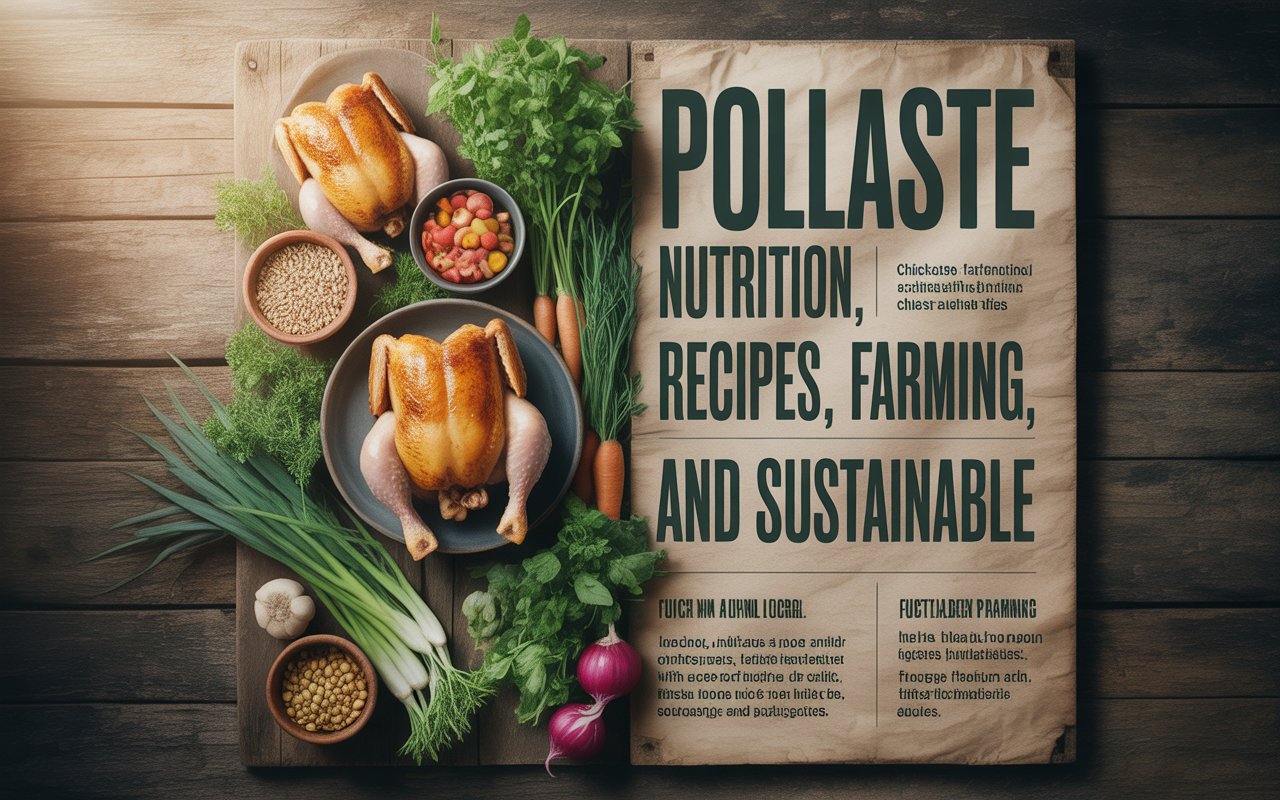
Pollaste: Nutrition, Recipes, Farming, and Sustainable Practices
Pollaste is more than just a word; it represents a rich tradition of nourishment, culture, and innovation. Derived from the Spanish word pollo, meaning chicken, the term has evolved to include a variety of domesticated birds commonly consumed worldwide—chicken, turkey, duck, goose, and quail. Each of these birds offers unique flavors, textures, and nutritional benefits, making it a versatile ingredient in kitchens across the globe.
Beyond its culinary appeal, it holds significant value in agriculture and sustainability. From ethical breeding and sustainable farming practices to its potential in eco-friendly materials, it impacts multiple facets of human life. This article aims to explore Pollaste’s history, health benefits, culinary uses, farming practices, and sustainable applications, providing a complete understanding of this remarkable resource.
Historical Background of Pollaste
The history of it is intertwined with the domestication of poultry. Chickens were first domesticated in Southeast Asia thousands of years ago, serving as sources of meat and eggs. Over time, these birds spread across Europe, North America, and Asia, gradually becoming central to human diets.
As poultry farming evolved, selective breeding led to diverse breeds optimized for meat, egg production, and adaptation to different climates. It became more than just livestock; it symbolized food security and human ingenuity in animal husbandry.
Culturally, Pollaste has been central to both royal feasts and everyday meals. Its role in festivals and traditions is evident in iconic dishes such as the Thanksgiving turkey in the United States and the celebrated Bresse chicken in France. These examples reflect the bird’s enduring significance in culinary history and social customs.
Types of Pollaste
It encompasses several domesticated birds, each offering unique culinary and textural characteristics:
| Type | Flavor & Texture | Common Culinary Uses |
| Chicken | Mild flavor, versatile texture | Roasting, grilling, frying, stewing, braising |
| Turkey | Juicy, robust meat | Celebratory meals, Thanksgiving, holiday feasts |
| Duck | Rich, fatty, flavorful | Slow roasting, gourmet dishes (e.g., duck confit) |
| Goose | Stronger taste than duck | Roasted for festive occasions, special celebrations |
| Quail | Small, tender, delicate | Fine dining, gourmet preparations |
Each type of Pollaste provides distinct flavors, textures, and culinary potential, allowing chefs and home cooks to create a wide variety of dishes.
Use in Agriculture and Farming
It is central to food production and sustainable agriculture. Ethical breeding practices ensure the welfare of poultry and the quality of products. Key methods include preserving genetic diversity, avoiding overcrowding, and employing eco-friendly farming techniques.
Nutrition and Care for Poultry
- Diet: Grains, seeds, and insects for optimal growth and health
- Health care: Routine veterinary check-ups and clean living conditions reduce disease risks
Benefits to Farmers and Agriculture
- Efficient production of meat and eggs
- Natural fertilization from droppings enhances soil health
- Contributes to environmental balance and sustainability
Challenges in the Industry
- Disease outbreaks affecting poultry health
- Regulatory compliance and food safety requirements
- Environmental concerns related to farming practices
Future of Pollaste Farming
- Integration of technology, including automated feeding systems and AI-based health monitoring
- Genetic research for improved breeds
- Adoption of plant-based and alternative protein solutions for sustainable production
Health and Nutritional Benefits of Pollaste
It is highly nutritious and offers numerous health benefits:
- High in protein: Supports muscle growth, tissue repair, and overall body function
- Rich in essential amino acids and vitamins: Especially B12, B6, and niacin
- Low in saturated fat: Heart-healthy alternative to red meats
- Eggs: Contain complete proteins, omega-3 fatty acids, and essential nutrients
Integration into Modern Diets
It fits seamlessly into contemporary eating patterns, including high-protein, low-carb, keto, and balanced diets. Its lean protein content and versatility make it ideal for health-conscious consumers seeking nutritious and flavorful meals.
Pollaste is more than just poultry; it represents a bridge between history, health, culinary innovation, and sustainability. From ancient domestication to modern farming techniques, and from traditional recipes to eco-friendly material applications, it continues to play a vital role in human life. Understanding its multiple dimensions allows us to appreciate this remarkable resource and make informed choices in our diets, farming practices, and environmental stewardship.
Culinary Uses of Pollaste
It is celebrated for its versatility in cooking, allowing chefs and home cooks to create an endless variety of dishes. Depending on the bird and the desired flavor, Pollaste can be roasted, grilled, stewed, fried, or braised, each method unlocking unique textures and tastes.
Popular Global Dishes
- Pollo Asado (Spain): Roast chicken flavored with garlic, herbs, and olive oil, offering a rich, aromatic taste.
- Thanksgiving Turkey (USA): A roasted turkey served with cranberry sauce and gravy, symbolizing family gatherings and celebration.
- Peking Duck (China): Famous for its crispy skin and tender meat, typically served with pancakes and hoisin sauce.
- Duck Confit (France): Slow-cooked duck in its own fat, resulting in tender, flavorful meat.
- Chicken Adobo (Philippines): Chicken simmered in vinegar, soy sauce, and garlic for a tangy, savory dish.
Step-by-Step Recipe Examples of Pollaste
- Chicken with Grilled Lemon Herbs – Chicken marinated with lemon and fresh herbs, then grilled to perfection.
- Cranberry Sauced Roasted Turkey – Roasted turkey served with a sweet and tangy cranberry sauce.
- Confit de Canard – Duck legs slowly braised in fat for a rich, tender delicacy.
Its culinary diversity allows it to shine in both restaurants and home kitchens, making it a staple ingredient worldwide.
Pollaste as a Sustainable Material
Beyond food, it has emerged in eco-friendly industries as a sustainable material. Crafted from natural fibers and bio-based resins, it combines innovation with environmental responsibility.
Key Properties
- Durable and lightweight
- Biodegradable
- Thermal insulation for energy-efficient products
- Moldable, adaptable for different designs
Applications Across Industries
- Textiles: Sustainable, durable fabrics
- Packaging: Biodegradable containers
- Automotive: Interior components reducing weight and fuel consumption
- Construction: Eco-friendly insulation materials
Case Studies
- Footwear brands producing eco-conscious shoes
- Packaging startups creating biodegradable containers
- Furniture companies designing stylish, sustainable pieces
Pollaste contributes to reducing carbon footprints and promoting greener industrial practices.
Cultural Significance
It is more than sustenance; it is a symbol of tradition and community.
- Central to family gatherings and festive meals
- Represents unity and celebration
- Integral to culinary heritage, preserving local flavors and traditional cooking techniques
- Certain breeds, such as Bresse chicken in France, maintain local identity and cultural pride
Through these practices, Pollaste strengthens social bonds and cultural continuity.
Challenges and Opportunities of Pollaste
Industry Challenges
- Managing disease outbreaks
- Environmental impacts from farming and production
- Compliance with regulatory standards
Opportunities for Innovation
- Adoption of smart farming technologies
- Genetic research for disease resistance and productivity
- Development of sustainable products
- Increasing consumer demand for ethical, organic, and eco-friendly Pollaste
These challenges create room for technological and ecological advancements in the it sector.
The Future Vision
The future of it lies in technology integration and innovation:
- Modern farming systems with automation and AI monitoring
- Expansion into sustainable materials and green industries
- Increasing role in global food security and promoting eco-conscious consumption
- Adoption of plant-based and lab-grown alternatives to complement traditional poultry farming
It is poised to remain a key player in sustainable nutrition and environmental stewardship.
Conclusion
Pollaste is a multifaceted concept, bridging food, culture, health, agriculture, and sustainability.
- Vital for nutrition and culinary diversity
- Promotes ethical and sustainable practices in agriculture and industry
- Acts as a gateway to tradition, innovation, and ecological responsibility
By embracing it, consumers, chefs, farmers, and businesses can contribute to a more sustainable and culturally rich world, ensuring that this remarkable resource continues to nourish both people and the planet.